The Future of Sustainable Construction.
This innovative methodology allows us to manage all phases of the project in an integrated way, from planning to construction, up to building management. Thanks to BIM, we can create a three-dimensional digital model that contains all the information necessary to optimize every aspect of the project.
Speak With An Expert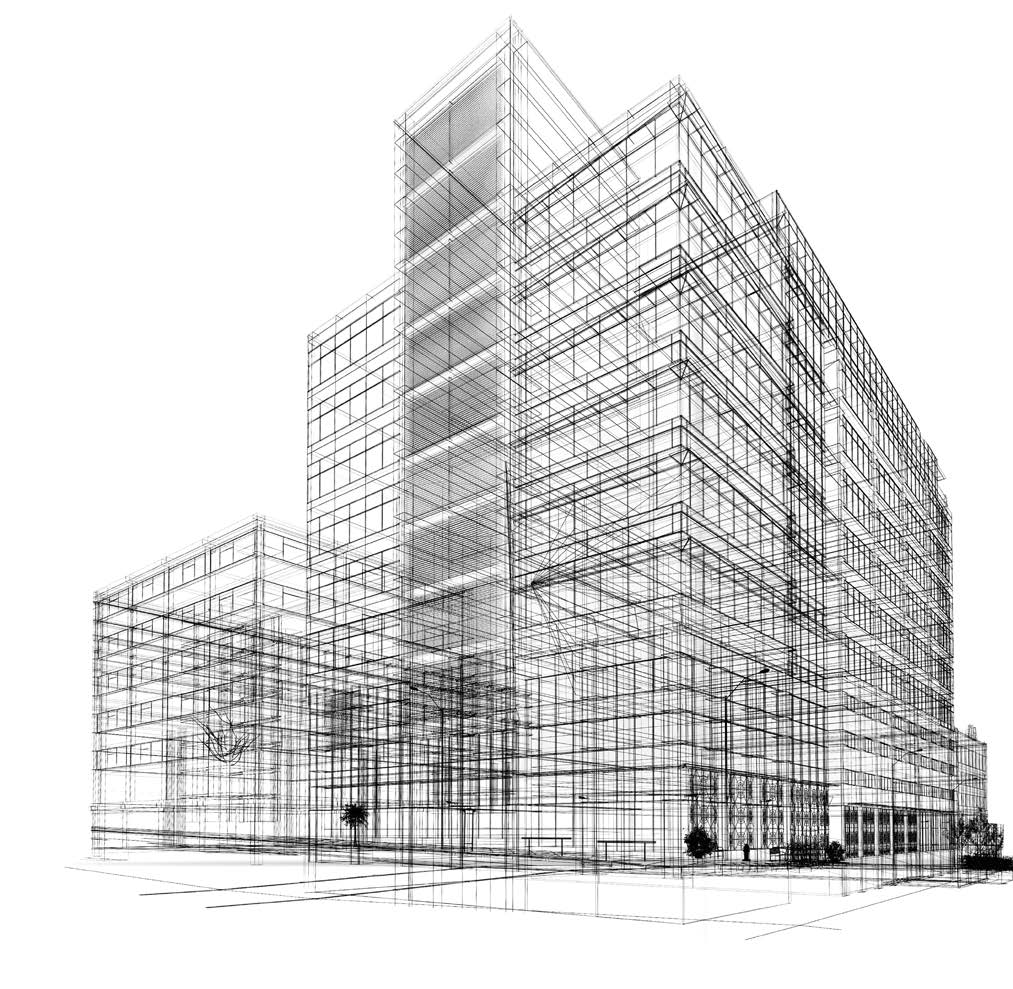
The Steps of BIM Design.
A structured, high-precision approach to architectural design, ensuring every phase from data acquisition to final construction is flawlessly executed.
Laser Scanner Survey
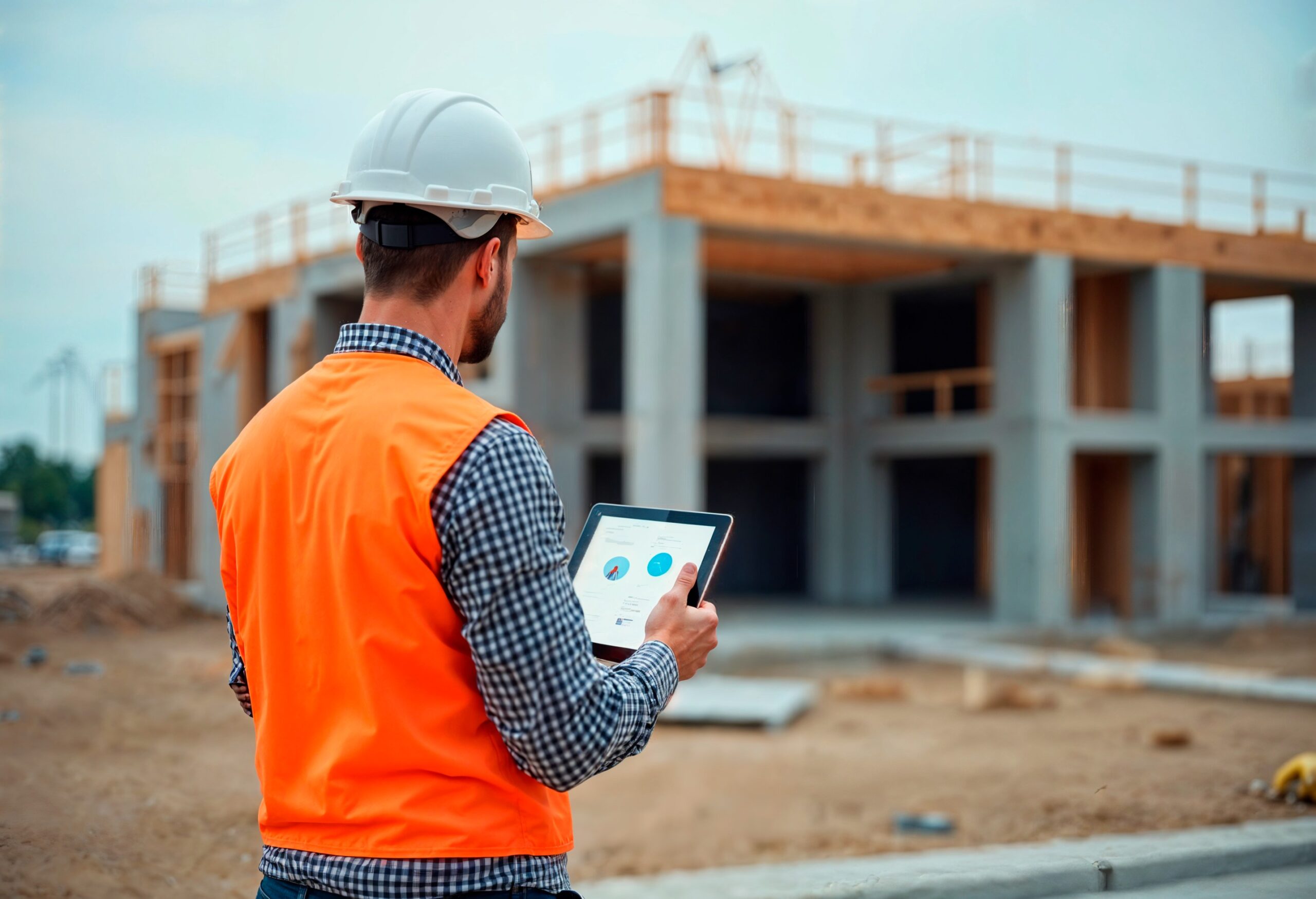
We begin our process with a 3D laser survey, a cutting-edge technology that allows us to acquire extremely precise data of the building or area to be designed.
Result
We obtain a detailed point cloud that faithfully represents reality, which is essential for the creation of the basic BIM model.
Use
This phase is crucial for renovation, expansion or restoration projects, as it provides a solid foundation on which to build.
BIM Modeling
From the collected data, we develop a complete BIM model that integrates every aspect of the project.

Preliminary Design
We create the initial concept with 3D visualizations that help communicate the design idea.
Definitive Design
We develop detailed technical solutions, selecting materials and defining construction details.
Executive Design
We create a final model ready for the construction site, which includes structural, plant and energy details, ensuring a smooth transition.
Analysis and Simulations
Using the BIM model, we perform advanced simulations to ensure optimal sustainability and performance. Our analyses include:

Energy Analysis
We optimize energy consumption and integrate renewable sources into the project.
Structural Simulations
We test the resistance and safety of the building through advanced simulations.
Clash Detection
We identify any interference between structural and plant systems before starting work, reducing risks.
As-Built
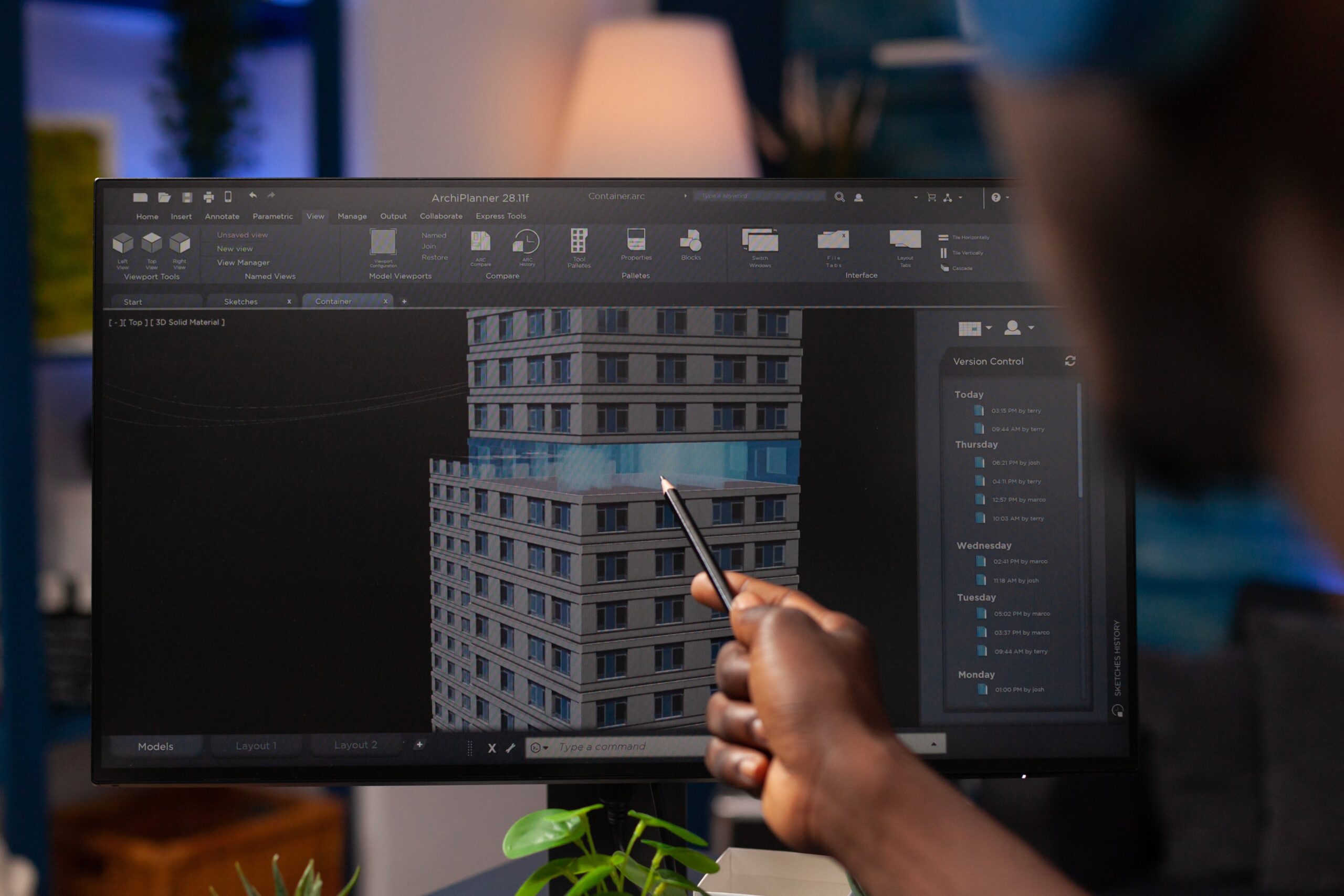
Once the work is completed, we update the BIM model to reflect the actual state of the building.
Utility
This step is essential for optimized management and maintenance of the property throughout its life cycle, allowing efficient planning.
Building Better, Smarter.
Building Information Modeling (BIM) has fundamentally changed the architecture and construction industries, transforming how projects are planned, designed, managed, and executed.
This approach uses technology and smart methodologies to plan, execute, and control projects, playing a pivotal role in several key areas of management essential to this shift.
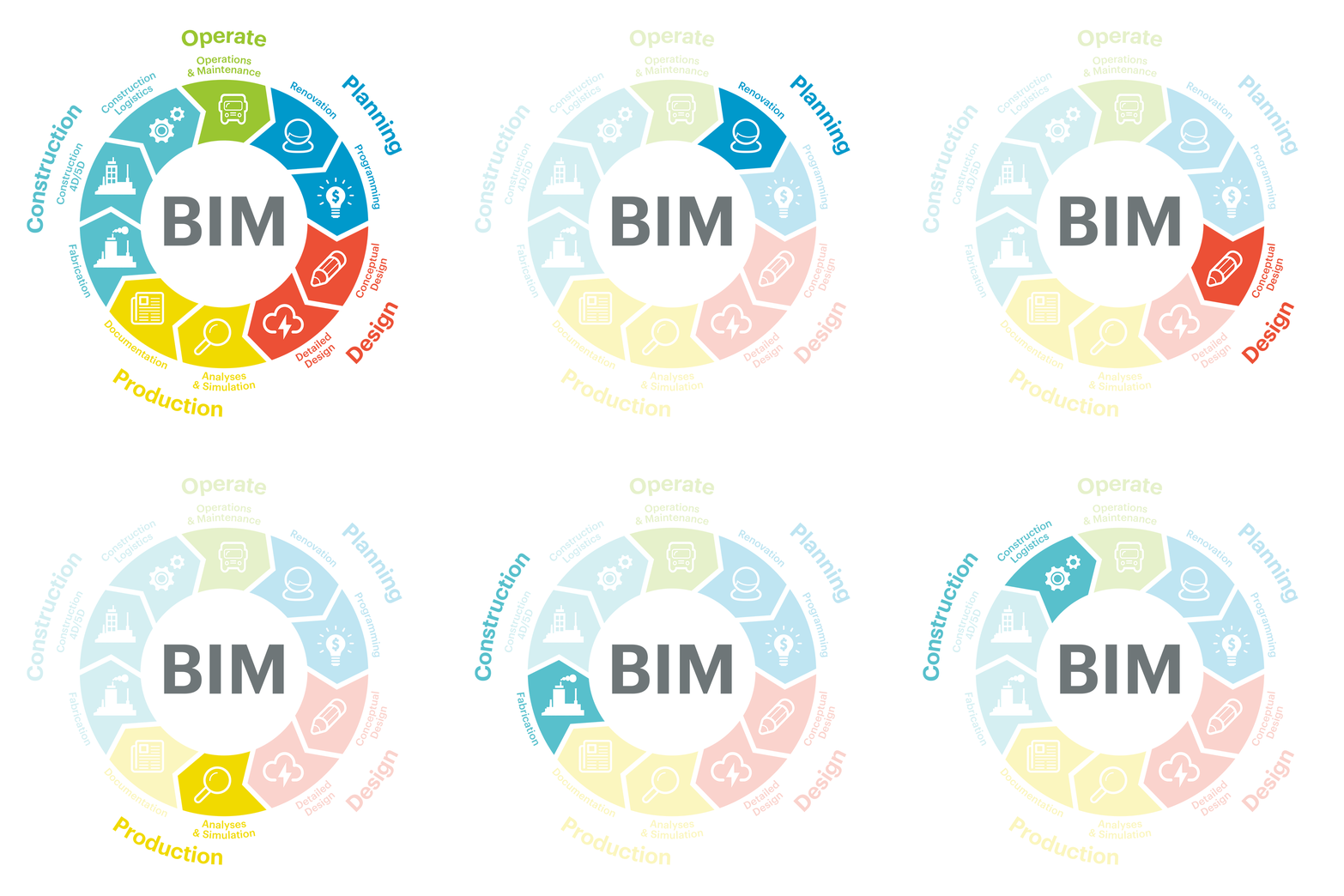
The Transformative Role of BIM.
BIM represents a cutting-edge approach to construction project management. It harnesses technology and data to improve collaboration, decision-making, and project outcomes throughout the entire lifecycle.
By leveraging BIM’s capabilities, the construction industry can achieve unprecedented sustainability, efficiency, and excellence in projects of all sizes and complexities. As the sector continues its digital transformation journey, BIM remains a critical tool for building better—exactly what you need.

Key Benefits of Using BIM
Enhanced Collaboration
All project participants work from a single, centralized data model, ensuring everyone has the latest information.
Error Reduction
Detecting and resolving spatial conflicts (clash detection) digitally, well before construction starts.
Resource Optimization
Accurate material take-offs and scheduling (4D and 5D BIM) lead to precise resource management, minimizing waste and improving cost control.
Streamlined Processes
Improving efficiency across the board, from initial design feasibility through to final facility management and handover.